

 Monday - Friday 09:00 am - 05:00 Pm
 Indian / Dubai








Diplomatic visa
What is a Diplomatic Visas
A diplomatic visa is a specialized travel document issued to foreign government officials and their employees for official travel to another country.
To qualify, an applicant must generally meet the following conditions:
Official Status: Must be a government official, diplomat, or employee of an international organization (e.g., UN).
Nature of Travel: The visit must be for inherently governmental activities on behalf of their national government.
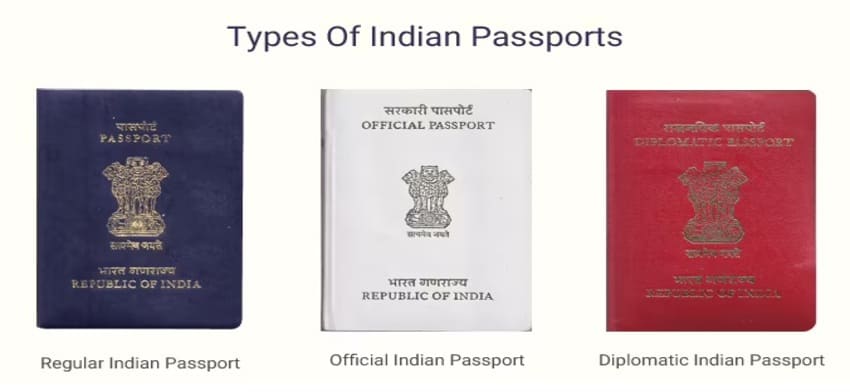
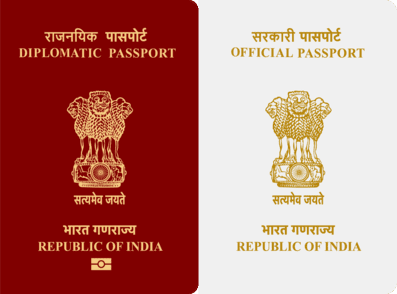
Passport Requirement: Applicants typically must hold a Diplomatic, Official, or Service passport issued by their home country.
Family Members: Immediate family (spouse and unmarried children under 21) are often eligible for the same visa status to accompany the official.
How Dimplomate Visa work
-
1
Choose your visa type
Determine the Visa type for your travel -
2
Contact our branches
Start your transaction by applying.. -
3
Submit All Your Documents
Collect all the required documents the.. -
4
Passport delivery
Receive your visa, which is finalized..
Required Documents
While requirements vary by destination, the following are standard:
- Diplomatic Note (Note Verbale): An official written confirmation from the applicant's government or international organization detailing their status, purpose of travel, and duration of stay.
- Valid Passport: A diplomatic or official passport valid for at least six months beyond the intended stay.
- Visa Application Form: A completed and signed form (e.g., the DS-160 for the U.S.).
- Photographs: Recent passport-sized photos meeting specific country standards.
Key Benefits & Privileges
- Fee Exemptions: Most diplomatic and official visas are exempt from application and issuance fees.
- Interview Waivers: Qualified applicants are often not required to appear for an in-person interview.
- Faster Processing: Applications are typically prioritized, with processing times as short as 5 to 10 working days.
- Ease of Movement: Holders may benefit from simplified border procedures and, in some cases, certain legal immunities.
Common Visa Types (U.S. Example)
 A-1: For ambassadors, public ministers, and heads of state.
- A-2: For other accredited government officials and their staff.
- G-1 to G-4: For representatives and employees of international organizations like the UN.
- C-3: For foreign officials transiting through a country en route to another destination.
Note: Traveling for personal reasons (tourism, education, or commercial business) usually requires a standard visitor visa (e.g., B-1/B-2) instead of a diplomatic one.